Monday, March 16, 2009

Week 1: Governments

View the following video: http://www.wimp.com/thegovernment/

Terms to know:
  • Monarchy
  • Oligarchy
  • Republic
  • Democracy
  • Anarchy
  • Communism
  • Marxism
  • Fascism
Reading: The Federalist Papers (the goal is to read and discuss all 82 papers by May 31)
Discuss: Use the comments section of this entry to discuss.

Tuesday, January 8, 2008

Benjamin Franklin


Benjamin Franklin was a true Rennaissance Man, inventor, politician, scientist, writer, diplomat and father among other things. He was one of the earliest proponents of abolition.

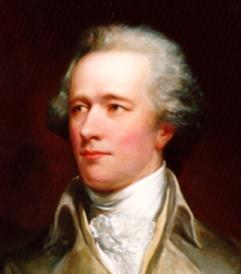
Alexander Hamilton


What Thomas Jefferson was to Rebublicanism, Hamilton was to Federalism. He also coauthored the Federalist Papers. He was the first head of the National Treasury and consultant to George Washington.

Federalism vs. Republicanism

When talking about the founding fathers, it is important to understand the political arguments of the day. After George Washington's nonpartisan presidency the Federalist and Republican parties were formed. Federalists favored large central government, and republicans favored states rights and was a more grass roots movement. Which one was better for the fledgling nation?

Wednesday, December 5, 2007

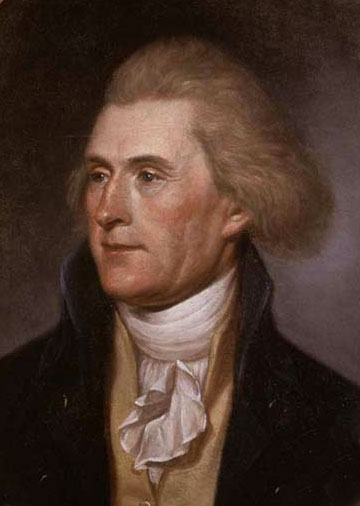
Thomas Jefferson


Thomas Jefferson was the main author of the Declaration of Independence. As president he oversaw the Lousiana Purchase and the Lewis and Clark Expedition. He was a huge proponent of Republicanism in the United States.

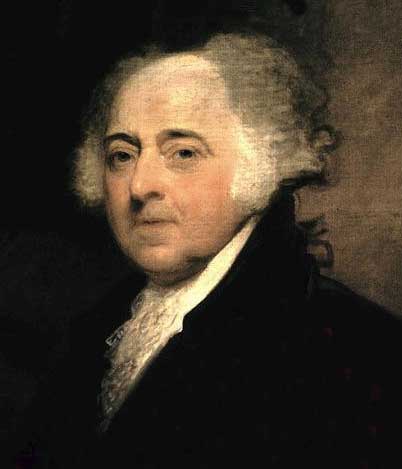
John Adams


John Adams was the nation's first vice president and 2nd president. He was the first to reside in the newly constructed White House. Before his executive position in the young new United Stated of America he served as the Continental Congress' representative to Europe.

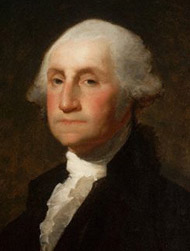
George Washington

He was the first president of the United States. He was a military leader and refused to be king. He was George Washington. Did he really chop down his father's cherry tree? Study his life and acomplishments.